Thermostatic mixing valve (TMV) installation and servicing in West Yorkshire
Type 2 and type 3, full compliance documentation, Legionella risk managed.
A thermostatic mixing valve blends hot and cold water so the temperature at the tap is safe to use. Getting the installation right is only the first part of your duty. You also need to make sure your TMVs are regularly tested, serviced and documented, and that the Legionella risk is kept in check.

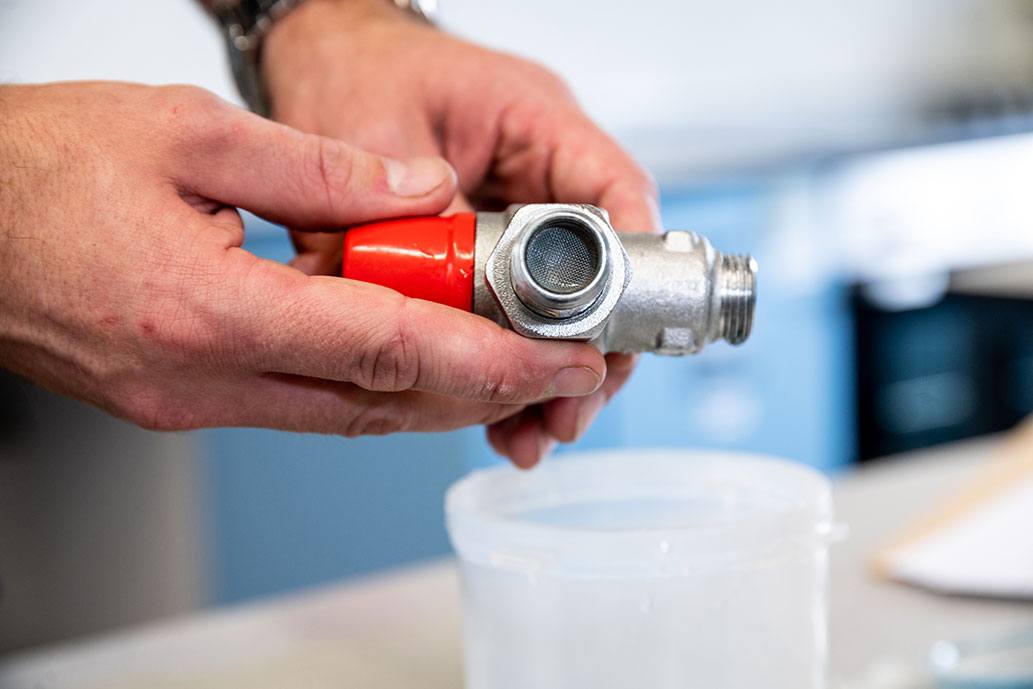
What thermostatic mixing valves do
Hot water systems need to store and circulate water at a temperature that stops bacteria from growing. At that high temperature, it's too hot to use safely at the tap. A TMV sits in the pipework between the hot and cold supply and the outlet, mixing the two so the water comes out at a safe temperature.
They're most common in places where hot water presents a risk to vulnerable people, like schools, care homes, hospitals and leisure facilities.
The Legionella risk and your legal responsibilities
The blended, tepid water downstream of a TMV can be the right temperature for Legionella bacteria to multiply. Risk builds up through poor installation, missed servicing or gaps in temperature monitoring. Left unchecked, bacteria can reach levels that put the people in your building at genuine risk of Legionnaires' disease.
As a dutyholder, you're legally required to make sure TMVs are installed correctly, tested and serviced on a regular schedule, and that records are kept. We can take care of all of that.
Type 2 and type 3 valves: what's the difference?
Type 2 (TMV2)
The set temperature can be adjusted or overridden by the user. Suitable for general commercial settings where some flexibility is needed.
Type 3 (TMV3)
The output temperature is fixed and can't be changed at the outlet. Required in healthcare premises, and the right choice for schools and childcare settings where protecting people from scalding is a legal obligation.
Before you book – what to expect
Everything you need to know about how our TMVs installation and servicing works, what it covers, and how we price it.
Every TMV service visit covers the checks your valves need to stay safe and legally compliant, with full documentation provided after every visit:
- Visual inspection: a physical check of the valve setup and surrounding pipework
- Cleaning, descaling and disinfecting: full hygiene maintenance of the valves, including inspecting and clearing strainers and filtration components if needed
- Temperature testing and calibration: checking the valve is blending hot and cold water to the correct safe output temperature
- Failsafe testing: verifying that the mechanical safety shut-offs function correctly
- Full service report: comprehensive, audit-ready compliance documentation for your records
-
1
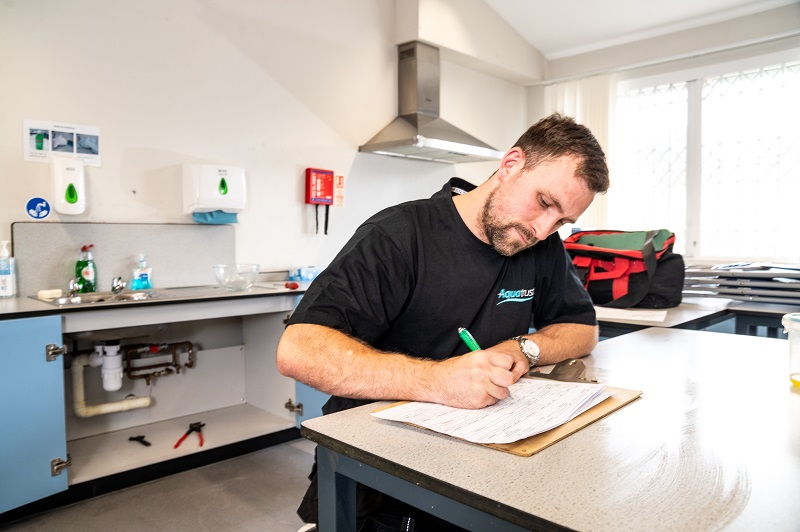
Your maintenance is carried out by a qualified water engineer They will complete a focused site walkthrough to locate your TMV assets, check your existing blending controls and take accurate temperature readings at your hot water outlets.
-
2
Because TMVs are typically hidden directly under sinks, behind protective panels or alongside shower units, our engineer will need direct physical access to these areas Having a staff member available on the day to help unlock rooms or guide our engineer to these outlets ensures the visit runs smoothly.
Timings
How pricing works
What a TMV service visit involves
Every service visit covers the checks your valves need to stay safe and compliant:
- Visual inspection
- Cleaning, descaling and disinfecting
- Temperature testing and calibration
- Failsafe testing
- Full-service report and compliance documentation
How often your TMVs need servicing is set by your Legionella risk assessment or water safety plan. Once a year as a minimum, but higher-risk settings – care homes, healthcare and schools – often need visits every six months or quarterly. We'll tailor the plan to your building and let you know exactly what's needed, so you can be confident everything’s covered.
Who we work with
We work with facilities managers, estates teams, compliance leads and health and safety managers across West Yorkshire, including Leeds, Bradford, Huddersfield, Halifax and Wakefield, and into North Yorkshire.
TMVs are a requirement, or clear best practice, across a wide range of sectors:
- Schools and childcare
- Care homes and assisted living
- Hospitals and healthcare
- Leisure and hospitality
- Commercial workplaces and public buildings
Frequently asked questions
A TMV is a valve fitted to the pipework that blends hot and cold water so it comes out of the tap at a safe temperature. It's there to protect against scalding, particularly in settings where the people using the water may be vulnerable.
Do you have a question about TMVs? Get in touch with our team and we’ll guide you through the process.